 Get Your Free Quote in 60 Seconds

The truck wrecking process in Perth follows a structured sequence, from initial valuation through to final metal recycling, regulated by WA environmental rules at every stage.
In the wrecking process, commercial and heavy vehicles go through more steps than a standard car, given their size, fluid volumes, and the number of valuable mechanical components involved.
This guide walks through what actually happens once a truck is handed over for wrecking, from the first inspection right through to the final scrap outcome.
The truck wrecking process in Perth starts with an initial assessment of the vehicle’s condition, identifying salvageable parts and overall scrap value before anything is scheduled or towed.
This early assessment shapes everything that follows, since it determines which parts get tested for resale and which sections go straight to the crusher.
Assessors check which components, such as the engine, gearbox, or axles, are still functional, since working parts are worth considerably more than scrap metal alone.
A truck involved in a collision might still have a perfectly usable engine or transmission, even if the cab itself has been written off completely.
Heavy trucks need specialised towing equipment to move safely, and Perth heavy truck wrecking services typically arrange this as part of the initial pickup.
On-site inspection before towing also helps confirm the valuation, since photos alone don’t always capture the true condition of heavier mechanical components.
Before any dismantling begins, hazardous fluids have to be removed and handled correctly under WA environmental rules, not just tipped out on-site.
This stage, often called depollution, is one of the most tightly regulated parts of the entire wrecking process, and rightly so given the volumes involved.
Diesel, engine oil, coolant, and hydraulic fluid are drained first, since these are classified as controlled waste under WA’s environmental regulations.
Transporting these fluids off-site requires a licensed controlled waste carrier, a requirement enforced by the Department of Water and Environmental Regulation.
Heavy trucks generally hold far larger fluid volumes than a passenger car, which makes correct handling at this stage especially important for the environment.
Lead-acid batteries are removed and recycled separately, while refrigerant gas is extracted by appropriately licensed technicians rather than vented into the atmosphere.
Both materials cause real environmental harm if handled carelessly, which is why this step always happens before any mechanical dismantling begins on the truck.
Once the truck is depolluted, dismantling shifts towards recovering valuable parts before the remaining structure is crushed for scrap metal.
Salvage yard auto dismantling prioritises high-value assemblies like engines, gearboxes, axles, and turbos, which are tested and resold as genuine used parts.
These components often hold more resale value on their own than the entire remaining shell of the truck once fluids and batteries are removed.
What’s left of the frame is shredded, with magnets separating ferrous steel from non-ferrous metals like copper wiring before it goes to smelting.
This separation matters commercially too, since different metal streams are sold to different buyers at different rates depending on purity.
Commercial vehicle wreckers in Perth generally follow the same core workflow: assess, depollute, dismantle, then crush and recycle the remaining metal.
Heavy truck recycling in WA also has to comply with vehicle deregistration requirements, since the owner remains legally responsible for the truck until it’s formally cancelled with the Department of Transport.
Skipping this step can leave the previous owner exposed to fines or legal liability, even after the truck has physically left the property for good.
Cash for scrap trucks in Perth typically reflects both the salvageable parts and the scrap metal weight, assessed during that initial inspection stage.
Understanding the full process, from valuation through to final recycling, makes it easier to know what to expect once your truck is handed over for wrecking.
Diesel, oil, coolant, and hydraulic fluid are drained first and classified as controlled waste under WA regulations. They're transported by a licensed controlled waste carrier to an approved facility, rather than being disposed of on-site, poured into general waste, or left to soak into the ground.
Yes, if the engine still runs or has usable internal components, it's tested and sold as a used part rather than scrapped for metal. Damage to the truck's body or frame doesn't necessarily mean the engine or gearbox underneath is unusable.
Most of a truck's steel frame is recyclable once fluids and hazardous materials are removed, often well over 90% by weight. Copper wiring, aluminium components, and other metals are separated during shredding and recycled separately through their own dedicated smelting streams.
The answer varies between wreckers, so it's worth confirming before booking a pickup. Many Perth operators include towing as part of the service for commercial and heavy vehicles, rather than deducting it separately from the final cash offer they provide you.
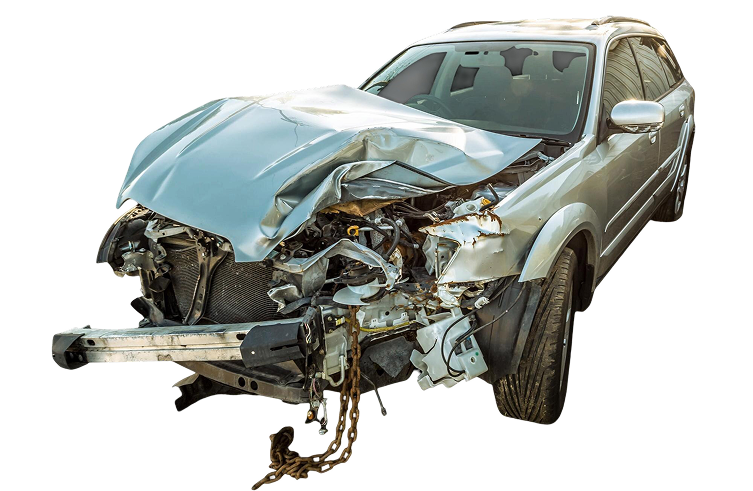
No matter what condition your car is in, Arya Auto Removals offers the easiest and most profitable way to sell it. Contact us today for a free valuation, instant cash offer, and same-day removal.


 0422 276 926